The Wellness Journal
Mobile IV appointments at work: privacy and planning in Sydney
Published 13 November 2026
Wellness n Co Journal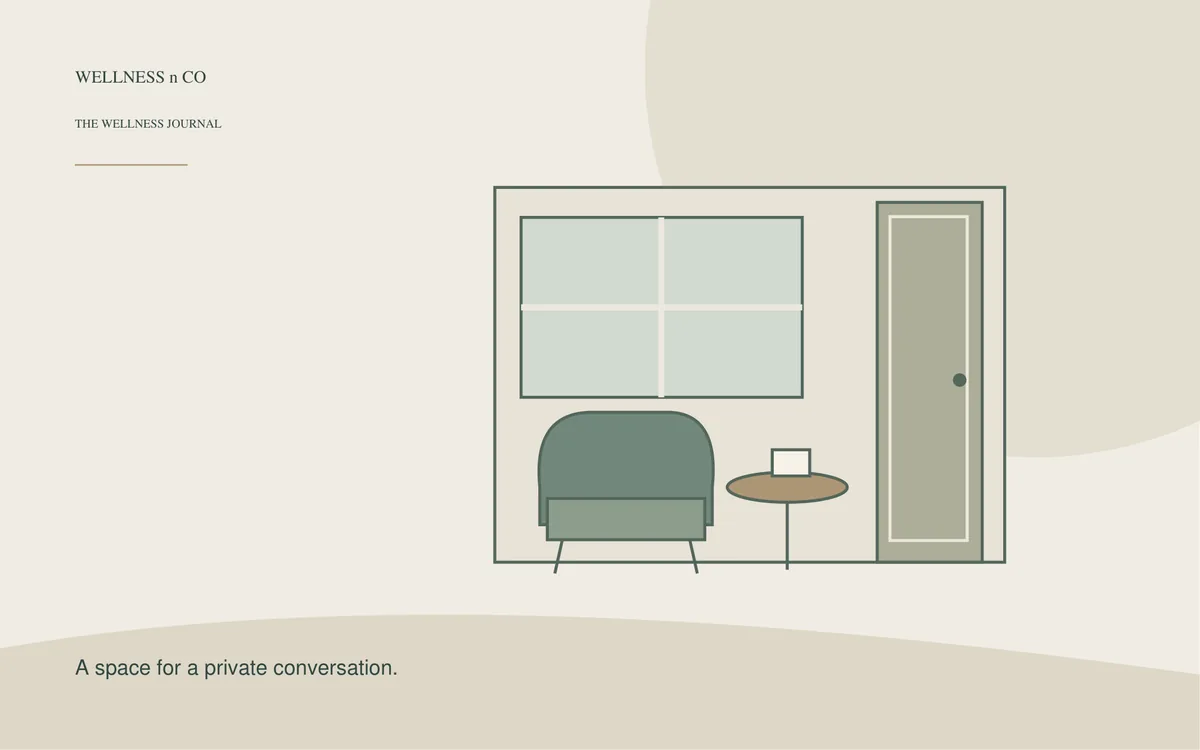
A suitable setting starts with privacy
A mobile appointment at work can reduce the need to travel to another location. It still needs the time, privacy and clinical consideration of a healthcare appointment.
Before arranging a visit in a Sydney office, think about the setting as carefully as the schedule. A glass meeting room beside reception may be convenient to book, but less suitable for a confidential conversation. A room used for calls throughout the day may not provide an uninterrupted appointment.
Ask whether the provider can accommodate the proposed workplace and what must be confirmed first. Wellness n Co’s appointment experience explains how the location and clinical considerations are confirmed before care proceeds.
Separate room logistics from personal health information
If someone else is coordinating the visit, give them the practical details they need: the address, access instructions, room location and agreed timing. Ask the provider how you can discuss personal health information directly with the clinician.
Consider these questions before confirming the room:
- Can conversations be heard from the corridor or neighbouring desks?
- Can other people enter unexpectedly?
- Is there enough room for the clinician to assess whether the setting is appropriate?
- Can reception direct the clinician without announcing personal medical details?
- Who needs to know the appointment time, and who does not?
These are planning prompts, not a promise that every workplace can accommodate care. The clinician may decide that a different location or a different care pathway is more appropriate.
Keep participation an individual decision
If a colleague is helping to arrange your appointment, keep the clinical conversation between you and the healthcare professional. An appointment should not be presented as an expectation of your role or a way to demonstrate commitment to your team.
Informed consent involves a voluntary decision based on information about the proposed care, its risks and alternatives. People can ask questions and take time to consider their options. The Australian Commission on Safety and Quality in Health Care explains these principles in its guide to informed choices.
For an organiser, the practical implication is simple: make it easy for someone to decline or speak privately, without having to explain their health to colleagues.
Allow time for the conversation
Avoid building the plan around an assumption that treatment will happen between two meetings. Ask the provider how much time to reserve for the full appointment, including assessment and relevant aftercare discussion.
Let the team know about access restrictions, visitor registration and any time when the room becomes unavailable. If the workplace has building-management requirements, resolve those before the appointment rather than leaving the clinician to negotiate access on arrival.
Do not assume that a convenient booking guarantees treatment, a particular outcome or immediate return to every work activity. Ask the clinician about advice relevant to your circumstances.
Agree on what happens afterwards
Before the appointment ends, make sure you know how to contact the provider with a concern and when another healthcare service may be needed. Ask for instructions in a form you can refer to privately later.
Keep any clinical paperwork separate from shared office documents. If you need a receipt for a workplace process, ask what information appears on it before forwarding it to others.
Common questions
Can a colleague help arrange my appointment?
A colleague can help with room access and scheduling if you want them to. Ask the provider how you can discuss your health privately and make your own decision about any proposed care.
Is a meeting room always suitable?
No. Privacy, access and the clinical requirements of the visit all matter. Describe the proposed room to the provider before making arrangements.
Does an enquiry mean an IV procedure will go ahead?
No. Clinical suitability and informed consent remain necessary. An appropriate outcome may be advice to seek a different form of care.
For a non-urgent workplace enquiry, contact Wellness n Co with the proposed location and your questions about privacy and access.
General information only. IV procedures carry risks and are not suitable for everyone. A workplace appointment is not a substitute for urgent medical care.